
SEO for coffee roasters sells more beans when it targets buyers who already know they want better coffee, then gives them clear product pages, fast checkout, useful brewing content and trust signals. It is not about ranking for “coffee” like a lunatic. It is about turning specific searches into repeat orders.
Coffee roaster SEO is different from normal ecommerce SEO
Coffee is not like selling socks, phone cases or generic tat from a warehouse. People care about taste, freshness, origin, roast profile, brewing method and whether the bag will arrive before they run out on Thursday morning.
That means SEO for coffee roasters has to do two jobs at once. It needs to bring in new buyers from Google, but it also needs to make those buyers feel confident enough to try a bag from a roaster they may never have heard of.
You are not only competing with other independent roasters. You are competing with supermarkets, subscription brands, Amazon, local cafés and the lazy habit of buying whatever is already in the kitchen cupboard.
The win comes from specificity. The more clearly your pages match what people are searching for, the better chance you have of getting the right visitors. Not random traffic. Buyers. Repeat buyers, if you do the job properly.
Focus on searches that sound like money
Do not build your SEO plan around ranking for “coffee”. That keyword is broad, brutal and mostly useless. Someone searching “coffee” could want a Wikipedia article, a café nearby, caffeine facts or a picture of a latte with a heart in it. Lovely, but not a sale.
You want the searches where the buyer has already narrowed the choice. These searches are longer, more specific and far more likely to lead to an order.
Good examples include:
- buy freshly roasted coffee beans online
- best coffee beans for espresso machine
- single origin Ethiopian coffee beans UK
- decaf coffee beans for espresso
- coffee subscription UK
- wholesale coffee beans for cafes
- coffee roasters near me
Each search tells you something useful. The espresso machine buyer needs confidence that the beans will work under pressure. The decaf buyer has probably been disappointed before. The wholesale buyer needs reliability, pricing information and proof that you can supply properly.
This is where proper keyword research earns its keep. Not a spreadsheet full of nonsense, but a map of buyer intent. Every important search should have a page that answers it properly.
Product pages need more than a bag photo and tasting notes
A lot of coffee product pages are gorgeous but thin. Nice bag. Short tasting note. Add to basket button. Done. Then the owner wonders why Google ignores it and customers bounce.
Google needs enough information to understand the product. Customers need enough information to trust it. Your product page should remove doubt before checkout.
Useful product page details include:
- origin or blend information
- roast level
- tasting notes written like a human, not a wine snob trapped in a cupboard
- recommended brewing methods
- grind options
- bag sizes
- delivery information
- subscription options, if available
Google’s own ecommerce SEO guidance makes the same basic point: clear product information helps search engines understand and show your pages properly.
The mistake is assuming customers know what you know. They don’t. If a bean works beautifully in a bean-to-cup machine, say so. If it is better for filter than espresso, say so. Clear beats clever. Every time.
Category pages should do the heavy lifting
Your category pages are often more important than individual product pages for SEO. Product pages come and go. Category pages stick around, build authority and match broader buying searches.
A coffee roaster should usually have strong category pages for things like espresso beans, filter coffee, decaf coffee, single origin coffee, blends, subscriptions, gifts and wholesale, depending on what you actually sell.
Do not just dump products on these pages and call it a day. Add useful copy at the top or bottom explaining who the category is for, what to expect, how to choose and what makes your range different.
For example, an espresso beans page should explain roast style, flavour expectations, grind options and why certain coffees work better with espresso machines. A decaf page should deal with the obvious fear that decaf tastes like sadness.
These pages should also link naturally to relevant products and guides. That helps users. It helps Google. It also stops your blog becoming a lonely island full of useful advice that never leads anyone to buy anything.
Technical SEO is where ecommerce sites quietly lose money
Coffee websites often have technical issues hiding under the surface. The site might look polished, but Google may be struggling to crawl it, index the right pages or understand product variations.
Common problems include slow pages, duplicate product URLs, messy filters, missing schema, broken internal links, weak mobile performance and category pages that are accidentally blocked or ignored. None of this is glamorous. All of it can cost sales.
Shopify, WooCommerce and other ecommerce platforms can all perform well, but none of them magically fix SEO for you. Apps, themes, plugins and old redirects can create a proper mess if nobody is paying attention.
This is why technical SEO matters so much for coffee roasters. If Google cannot crawl your important pages cleanly, your lovely branding is basically sitting in a locked cupboard.
Start with the basics. Make sure your key pages are indexable, your site is fast enough, your navigation makes sense and your products have structured data where appropriate. Boring? A bit. Profitable? Often, yes.
Content should answer brewing questions that lead to orders
Blog content can work brilliantly for coffee roasters, but only if it sits close to the buying journey. Writing “10 fun facts about coffee” is usually a waste of time unless your business model is getting applause from bored quiz teams.
Useful content helps someone choose the right coffee, brew it better or understand why your product fits their setup. That could mean guides about espresso beans for home machines, choosing coffee for a cafetière, light roast versus dark roast, how coffee subscriptions work or what grind size to pick.
The important bit is the internal path. If someone reads a guide about the best coffee for a bean-to-cup machine, they should be able to move naturally to your bean-to-cup friendly products. If they read about decaf, they should land near your decaf range.
Content should not exist because someone said, “we need a blog”. It should answer real questions, build trust and pass people towards a sensible next step. Otherwise you are just publishing words into the void and hoping for a miracle.
Local SEO still matters if you ship nationally
Even if most of your orders are posted across the UK, local SEO still matters. People search for roasters near them. Cafés search for local suppliers. Gift buyers search for something independent and nearby. Local journalists, food bloggers and event organisers do the same.
If you have a roastery, café, tasting room, collection point or wholesale operation, you should treat local visibility seriously. A good local SEO setup can help you appear for searches around your town, county and nearby areas.
Your Google Business Profile also needs attention. Add accurate opening hours, strong photos, products or services where relevant, review replies and clear business information. If yours is half-filled and unloved, sort it. Google Business Profile optimisation is not just for plumbers and dentists.
Local trust can feed national sales too. Buyers like knowing there is a real roastery behind the website, not a faceless brand shipping mystery beans from who knows where.
Trust signals do a lot of selling before checkout
Coffee buyers are fussy. Good. Fussy buyers become loyal customers when you give them confidence.
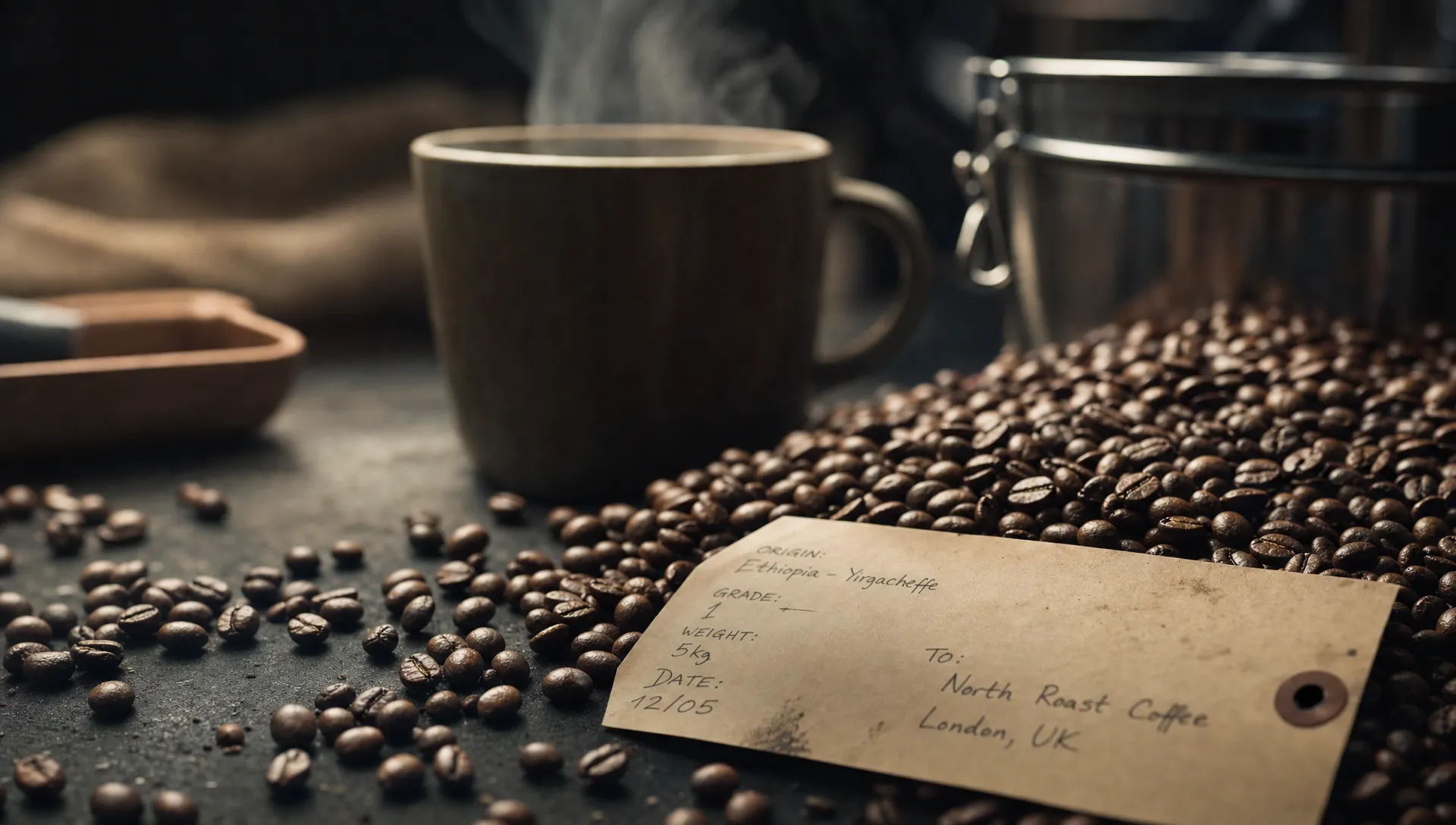
Your site should make it obvious that you know what you are doing. Reviews, clear delivery details, helpful product descriptions, roaster story, brewing advice, secure checkout cues and simple returns information all help. None of this needs to be overdone. It just needs to be visible.
Subscriptions need extra care. If you sell coffee subscriptions, explain how they work in plain English. Tell people how often coffee arrives, whether they can change grind type, how easy it is to pause and what happens if they want to switch coffees. Confusion kills subscriptions stone dead.
Wholesale pages need even more trust. A café owner is not just buying a bag. They are trusting you with part of their customer experience. They need to know you can supply consistently, advise properly and respond when something goes wrong.
Do not hide the practical details. The practical details are often what tip someone from browsing to buying.
Wholesale SEO deserves its own plan
Many roasters treat wholesale as a small page in the footer. That is a mistake. Wholesale customers search differently from retail customers, and they need different information.
A retail buyer might search for espresso beans. A wholesale buyer might search for wholesale coffee supplier, coffee beans for cafés, office coffee supplier or coffee roaster for restaurants. Those searches deserve proper pages, not a single vague paragraph saying you “supply trade customers”.
Your wholesale SEO should explain who you work with, where you supply, what kind of support you offer and how enquiries should start. Do not publish sensitive pricing if you do not want to, but do give enough information to show that you are a serious supplier.
You can also build supporting content around commercial questions. For example, how cafés choose a house espresso, what offices should consider when buying coffee, or how restaurants can improve after-dinner coffee without making life complicated.
Wholesale SEO may bring fewer enquiries than retail SEO, but the value per customer can be much higher. Ignoring it is leaving money on the table.
The Crave Coffee result proves the boring stuff works
Our Crave Coffee case study is worth a look because it shows this properly. SEO Bridge helped Crave Coffee, an independent UK coffee brand, double online sales through a two-phase SEO strategy covering technical fixes and onsite improvements.
That matters because the result did not come from some secret trick. It came from doing the fundamentals properly. Make the site easier for Google to crawl. Improve the pages that matter. Match search intent. Help buyers find the right products. Keep working on the bits that affect revenue, not vanity metrics.
This is the bit many business owners miss. SEO is not usually one massive dramatic event. It is a set of improvements that compound. Fix enough weak points and the whole shop starts performing better.
For coffee roasters, that could mean better category pages, cleaner technical foundations, stronger product copy, smarter internal links and content that sends people towards products. Simple? Yes. Easy to do well? Not always.
Measure the numbers that actually matter
SEO reporting for coffee roasters should be tied to sales. Rankings matter, but only because they help create traffic and revenue. If your report is full of green arrows but orders are flat, ask better questions.
Track the numbers that connect search visibility to commercial results:
| Metric | Why it matters |
|---|---|
| Organic revenue | Shows whether SEO is producing actual sales, not just visits |
| Conversion rate from organic traffic | Tells you whether visitors are finding the right pages and offers |
| Sales by category page | Shows which ranges are pulling their weight in search |
| Subscription sign-ups | Measures repeat revenue potential, not just one-off orders |
| Wholesale enquiries | Captures higher-value leads that may not buy through checkout |
| Google Business Profile actions | Shows local search interest, calls, visits and direction requests |
Use Google Search Console, GA4 and your ecommerce platform data together. One tool rarely tells the whole story.
If you have already tried to patch SEO together from YouTube videos and plugin settings, fair enough. Most owners do at some point. But if sales matter and the site is not performing, getting proper SEO services involved can save a lot of wasted time and expensive guesswork.
Frequently Asked Questions
How long does SEO take for coffee roasters? Most coffee roasters should expect SEO to take several months, not several days. Technical fixes can help quickly if the site has serious problems, but rankings, traffic and sales usually build over time. Ecommerce SEO is cumulative. The earlier you fix weak pages, site structure and search intent, the sooner those improvements can start compounding.
Should coffee roasters focus on local SEO or national ecommerce SEO? Most should do both, but the balance depends on the business. If you sell online across the UK, ecommerce SEO should be central. If you also have a roastery, café, wholesale area or collection point, local SEO can bring valuable nearby buyers, trade enquiries and brand trust that supports online sales too.
What pages should a coffee roaster website have for SEO? A strong coffee roaster website usually needs product pages, category pages, subscription pages, wholesale pages, delivery information, an about page and useful brewing content. The exact structure depends on what you sell. The key is making sure each important buyer search has a relevant page that answers it clearly.
Is blogging worth it for coffee roasters? Blogging is worth it when the content helps people choose, buy or brew your coffee. It is not worth it if you publish generic coffee trivia with no link to products or categories. Good blog content should answer real customer questions and guide readers towards a useful next step on the site.
Can SEO help sell more coffee subscriptions? Yes, if the subscription offer is clear and the right pages are built around it. People search for coffee subscriptions, flexible coffee delivery and gifts. SEO can bring those buyers in, but the page must explain frequency, grind options, flexibility, delivery and cancellation clearly. If the offer feels confusing, traffic will not save it.
